
Event-Based Vision sensors
Intelligence, down to the pixel
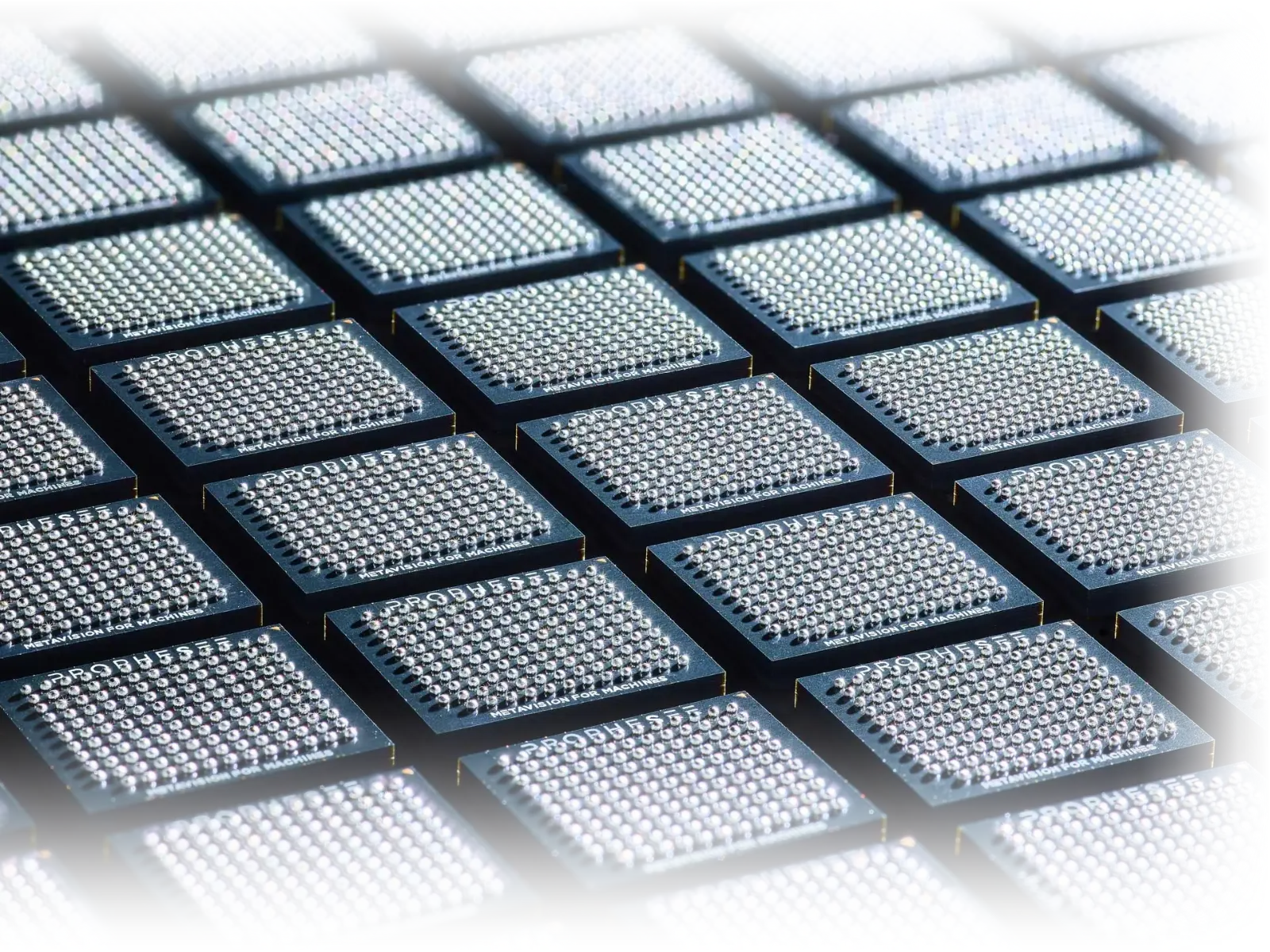
Event-Based Vision sensors detect changes in light independently at every pixel and output them as sparse, precisely time-stamped events – capturing scene dynamics directly at the point of sensing.
Prophesee has pioneered and advanced this architecture for more than a decade, creating the patented sensing foundation behind its cameras, software, application intelligence and complete perception systems.
>10k fps
Time-resolution equivalent
Precisely timestamp rapid and fleeting changes.
>120 dB
Dynamic range
Detect change across extreme variations in illumination.
<10 mW
GenX320 sensing power
Support compact and always-on embedded sensing.
Sparse by design
Data efficiency
Generate less redundant data at source.
Performance varies by sensor architecture, configuration and operating conditions. See individual sensor specifications.
How an Event-Based Vision sensor works
Frame-based image sensors expose and read the full pixel array at fixed intervals. In a Prophesee Event-Based Vision sensor, every pixel independently monitors local changes in light and responds asynchronously.
When a change exceeds the configured contrast threshold, the pixel generates an event containing:
- x, yThe pixel coordinates
- tThe precise time of the change
- pPolarity: whether light intensity increased or decreased
These events are generated asynchronously, creating a continuous event data stream driven by activity in the scene. Change detection happens at the sensing plane, reducing repeated information capture before data leaves the sensor.
Depending on the architecture, embedded features such as event filtering, region-of-interest control and event-rate management can further shape the data at its source.
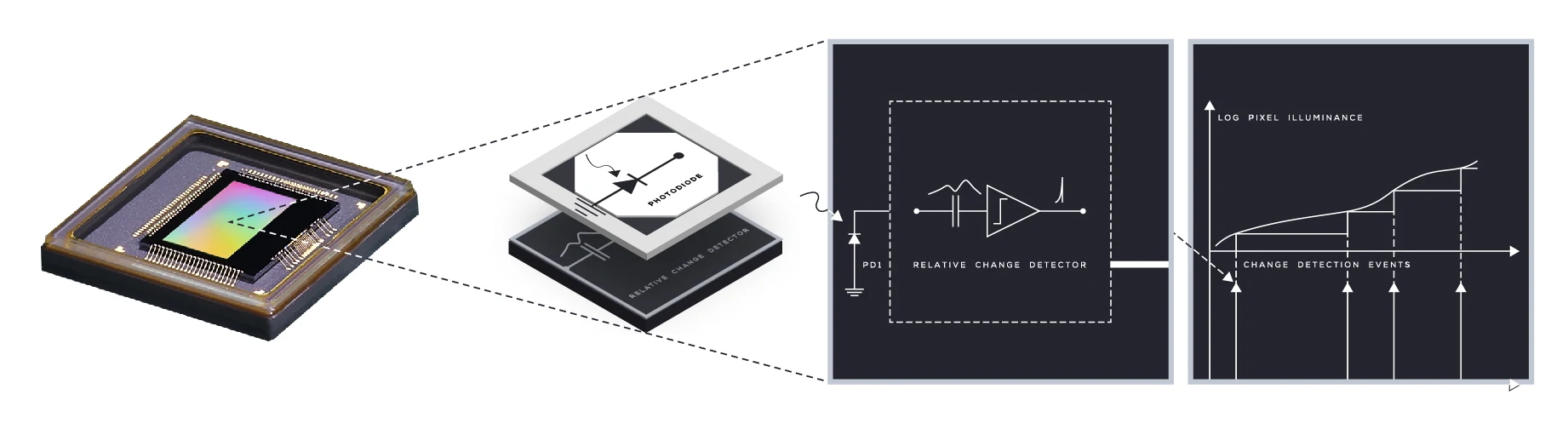
From local changes in light to a continuous, asynchronous stream of event data.
One vision, different sensing profiles
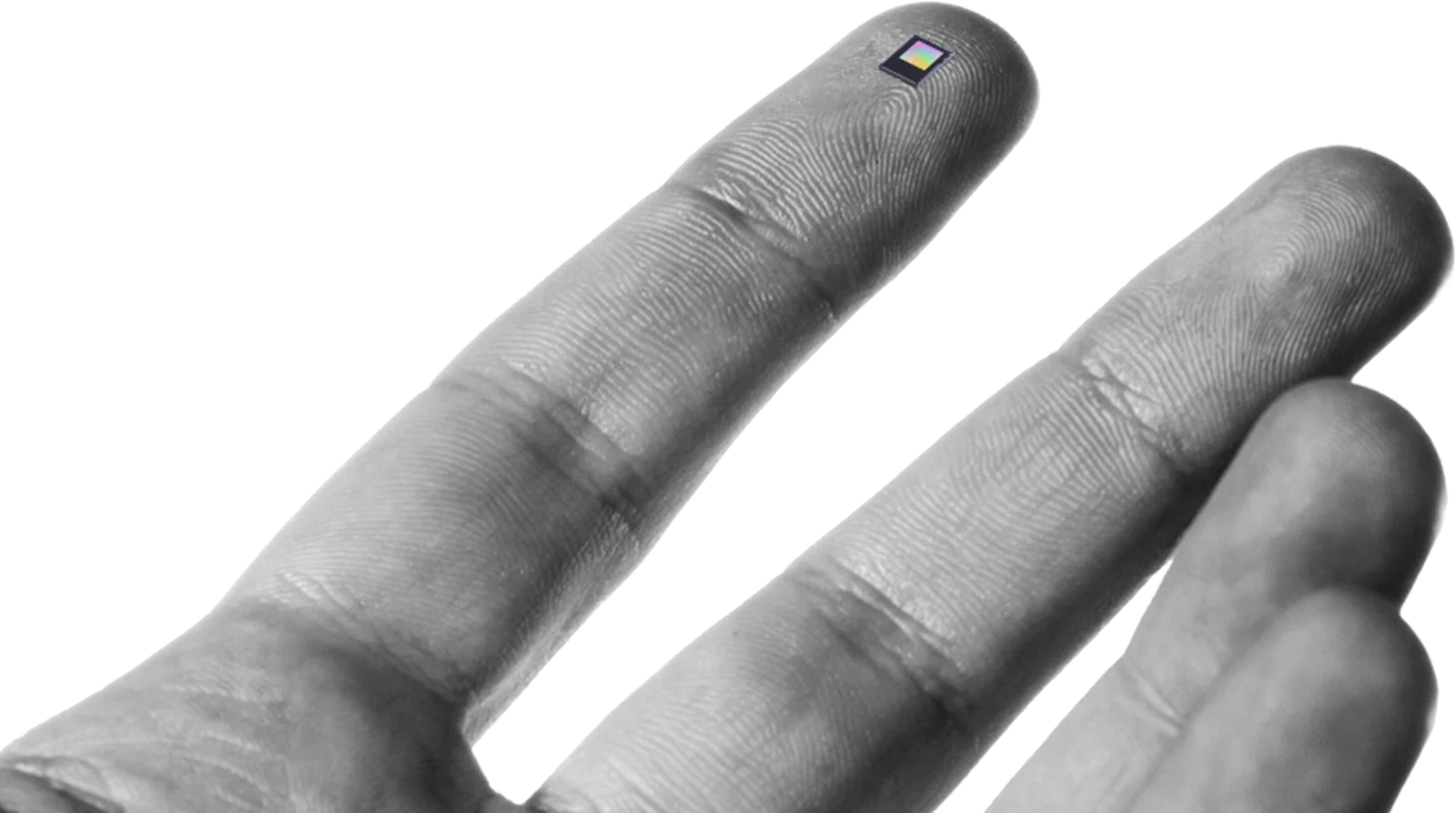
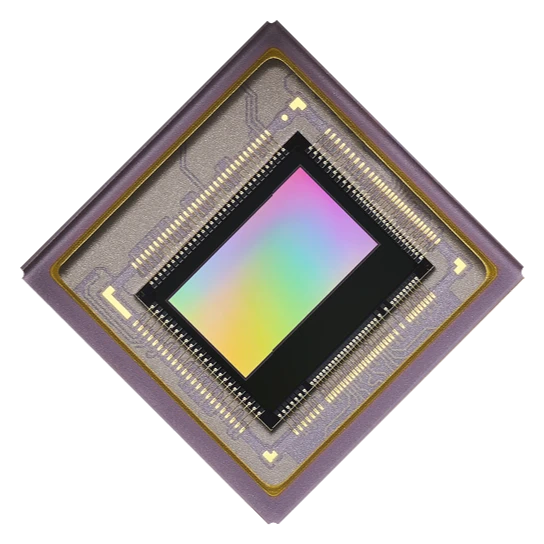
With the world’s smallest and most power-efficient event sensor GenX320 and breakthrough HD and VGA stacked IMX event sensors, Prophesee provides the most advanced sensing foundation for next-generation event-based vision systems.
GenX320
Compact and ultra-low power
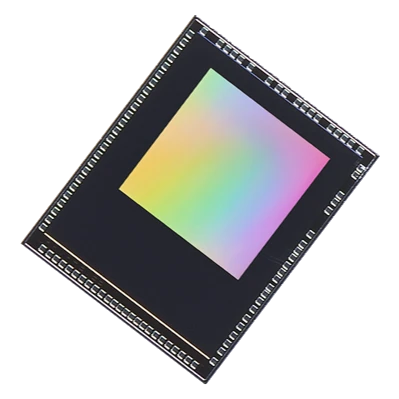
GenX320 brings Event-Based Vision to space- and power-constrained systems. Its compact 320 × 320 architecture, low-power operating modes and embedded event-processing capabilities support always-on sensing and edge applications where efficiency matters.
Prophesee-Sony IMX Event-Based Vision sensors
VGA and HD sensing across different speed profiles
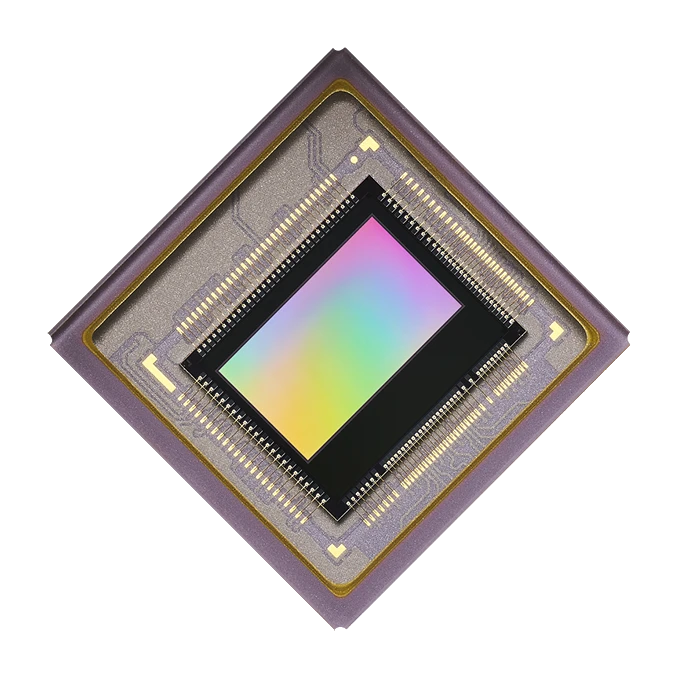
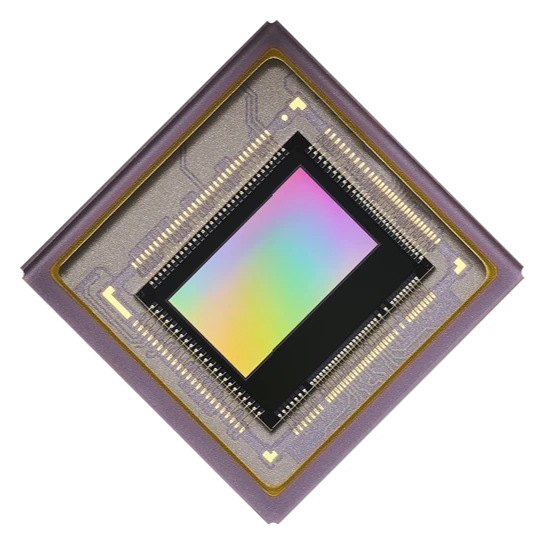
Realized in collaboration between Sony and Prophesee, the stacked IMX Event-Based Vision sensor family extends across VGA and HD resolutions, with high-speed and ultra-high-speed variants for different latency and sensing requirements.
Compare Event-Based Vision sensors
| Specification | Embedded – Low PowerGenX320 | VGA – High SpeedIMX647 | VGA – Ultra High SpeedIMX637 | HD – High SpeedIMX646 | HD – Ultra High SpeedIMX636 |
|---|---|---|---|---|---|
| Resolution | 320×320 px | 640×512 px | 640×512 px | 1280×720 px | 1280×720 px |
| Pixel latency @ 1,000 lux | <150 µs | <800 µs | <100 µs | <800 µs | <100 µs |
| Typical power* (dynamic with ESP) | 16 mW (MIPI) 5 mW (CPI) | 80 mW (MIPI) | 80 mW (MIPI) | 80 mW (MIPI) | 80 mW (MIPI) |
| Low power modes | 36 µW (ultra-low power mode) | 2.2 mW (standby) | 2.2 mW (standby) | 2.2 mW (standby) | 2.2 mW (standby) |
| Dynamic range | >140 dB (10 mlux – 100 klux) | >110*** dB (30 mlux – 100 klux) | >86** dB (5 lux – 100 klux) >120*** dB (80 mlux – 100 klux) | >110*** dB (30 mlux – 100 klux) | >86** dB (5 lux – 100 klux) >120*** dB (80 mlux – 100 klux) |
| Optical format | 1/5” | 1/4.5” | 1/4.5” | 1/2.5” | 1/2.5” |
| Output format | MIPI, CPI | MIPI, SLVS | MIPI, SLVS | MIPI, SLVS | MIPI, SLVS |
| Size | 4.1 × 3.3 mm (die) 7 × 7 mm (CLCC/LGA package) | 13 × 13 mm (LGA package) | 13 × 13 mm (LGA package) | 13 × 13 mm (LGA package) | 13 × 13 mm (LGA package) |
| Variants available | Bare die Packaged Optical flex module | Packaged only | Packaged only | Packaged only | Packaged only |
*For 1M events/sec
**5 lux is the minimum light level guaranteeing inclusion of all possible operating points.
***Low-light cut-off is the minimum light level guaranteeing nominal contrast sensitivity. For many typical applications, the sensor data are actionable down to this light level. 100000 lux is a virtual high-light limit, not experienced in experiment.
From sensing to system intelligence
Prophesee sensors are the first layer of a complete perception stack. Cameras and modules capture event data, Hearth turns that data into application intelligence, and Prophesee systems apply it to specific operational challenges.
- Scene change
- Event-Based Vision sensor
- Camera or module
- Hearth software
- Application intelligence
- System response
Embra HD
Explore and develop with IMX636
Work with IMX636 sensing through Prophesee’s industrial-grade Event-Based Vision exploration kit. Record and visualize event data, evaluate the technology and begin developing applications on a platform designed for real-world use.
GenX320 development platforms
Bring low-power sensing to embedded platforms
Evaluate GenX320 with EVK3 or begin embedded application development with the GenX320 Starter Kit for Raspberry Pi 5.
Hearth®
Turn event data into application intelligence
Build on Prophesee algorithms, AI components and development tools to process event streams, develop applications and move towards embedded deployment.
Complete application solutions
Deploy perception built around a defined mission
See how Prophesee combines sensing, software and application intelligence in complete solutions for drone detection with Mantara, and industrial inspection and infrastructure monitoring with Nexara.
Go deeper into the sensing layer
Access detailed specifications, integration guidance and development resources for Prophesee Event-Based Vision sensors.
Bring Event-Based Vision into your system
Explore products built on Prophesee sensing or discuss the sensor, development platform or complete solution best suited to your requirements.