This work proposes a novel coarse-to-fine framework, named NETwork of Event-based motion Deblurring with STereo event and intensity cameras (St-EDNet), to recover high-quality images directly from the misaligned inputs, consisting of a single blurry image and the concurrent event streams.
blurry image and the concurrent event streams.
This work aims at re-exposing the captured photo in the post-processing, providing a more flexible way to address issues within a unified framework. Specifically, it propose a neural network based image re-exposure framework.
The term “neuromorphic” refers to systems that closely resemble the architecture and dynamics of biological neural networks. From brain-inspired computer chips to sensory devices mimicking human vision and olfaction, neuromorphic computing aims to achieve efficiency levels comparable to biological organisms.
This paper proposes a simple but effective event-based pose estimation system using active LED markers (ALM) for fast and accurate pose estimation. The proposed algorithm is able to operate in real time with a latency below 0.5 ms while maintaining output rates of 3 kHz.
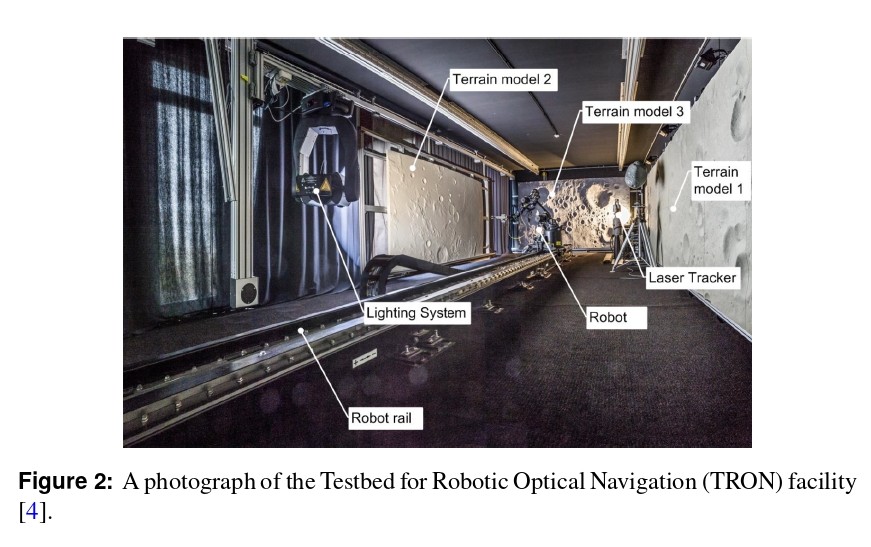
This paper proposes to develop a Hardware-in-the-Loop imaging setup that enables experimenting with an event-based and frame-based camera under simulated space conditions. The generated data sets were used to compare visual navigation algorithms in terms of an event-based and frame-based feature detection and tracking algorithm.