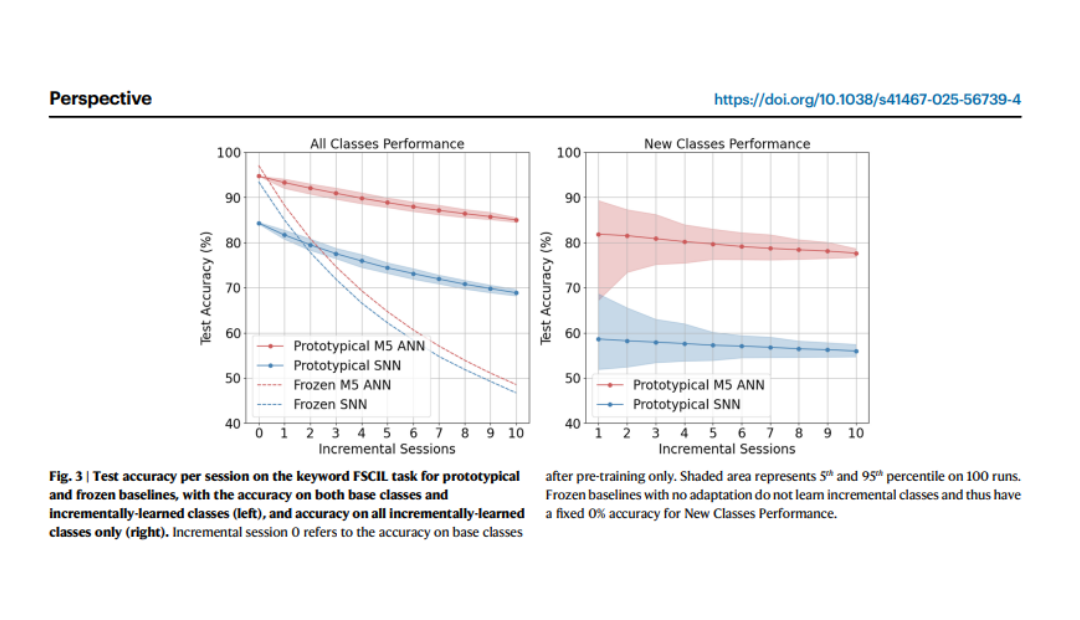
This article presents NeuroBench, a benchmark framework for neuromorphic algorithms and systems. It introduces a common set of tools and systematic methodology for inclusive benchmark measurement, delivering an objective reference framework for quantifying neuromorphic approaches in both hardware-independent and hardware-dependent settings.
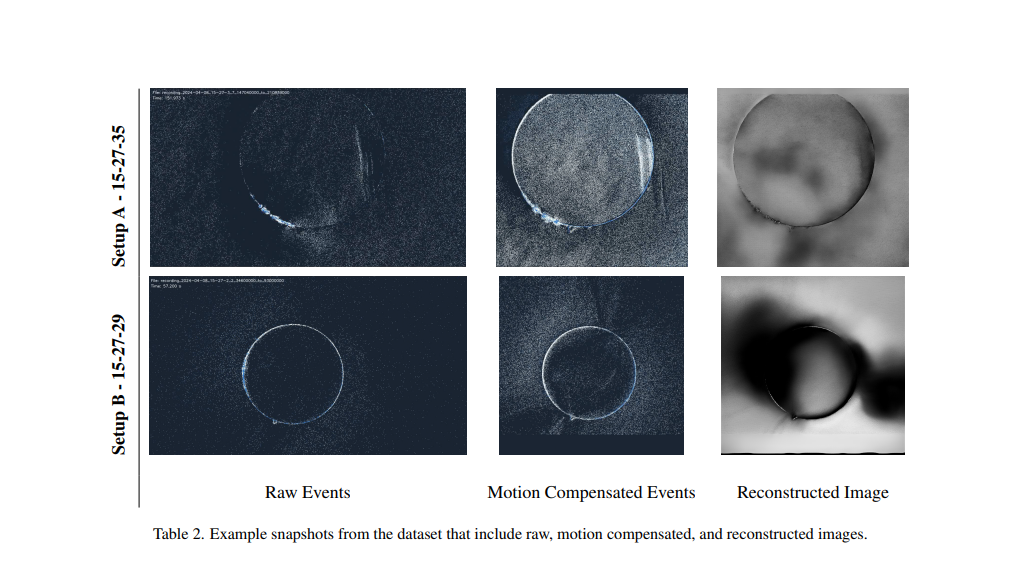
This paper presents the first recording of a total solar eclipse with a pair of high-resolution event cameras, with accompanying methodology. A method is proposed to stabilize the recordings to counteract manual tripod adjustments required to track celestial bodies in-frame. A high-dynamic range image of the sun is also generated during the eclipse, showing how event cameras excel in this aspect compared to traditional CMOS-based cameras.
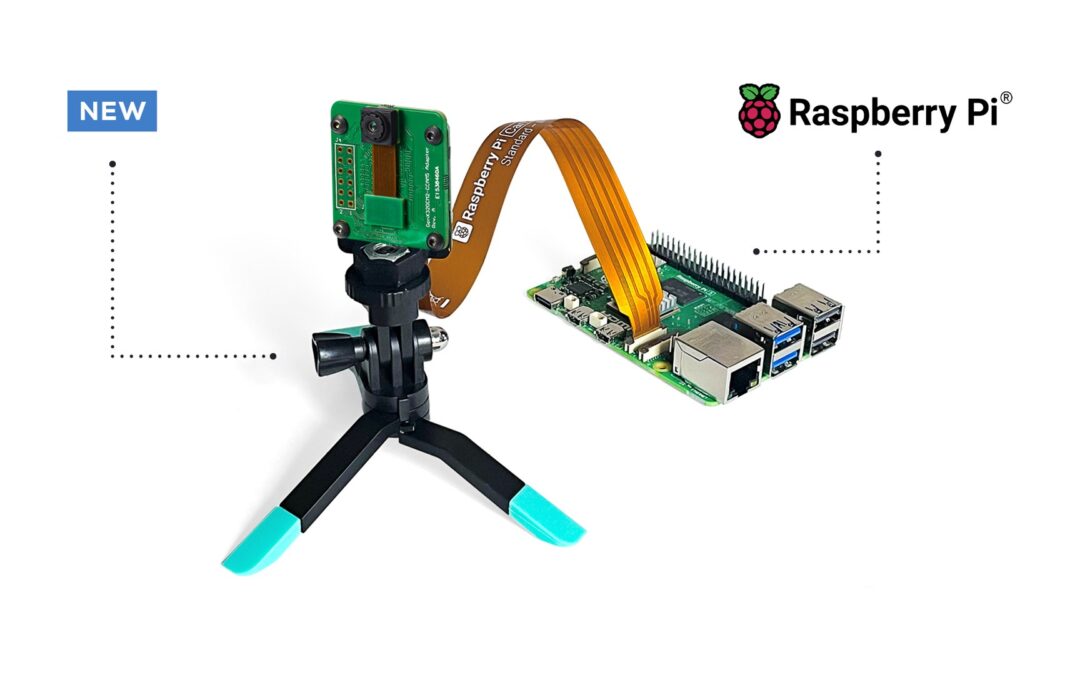
Prophesee announces the GenX320 Starter Kit for Raspberry Pi 5, making event-based vision accessible to the Raspberry Pi developer community for the first time. Built around Prophesee’s ultra-compact, ultra-efficient GenX320 event-based vision sensor, the kit connects directly to the Raspberry Pi 5 camera connector to allow development of real-time applications that leverage the advantages of event-based vision for drones, robotics, industrial automation, surveillance, and more.
7invensun’s aSee Glasses-EVS integrate Prophesee’s GenX320 event-based sensor, enabling up to 1000Hz eye movement sampling rate in a compact, lightweight wearable form factor. Designed for neuroscience, sports science, medical diagnosis, and cognitive research, the device offers high temporal precision and extended wearability for advanced human behavior studies.
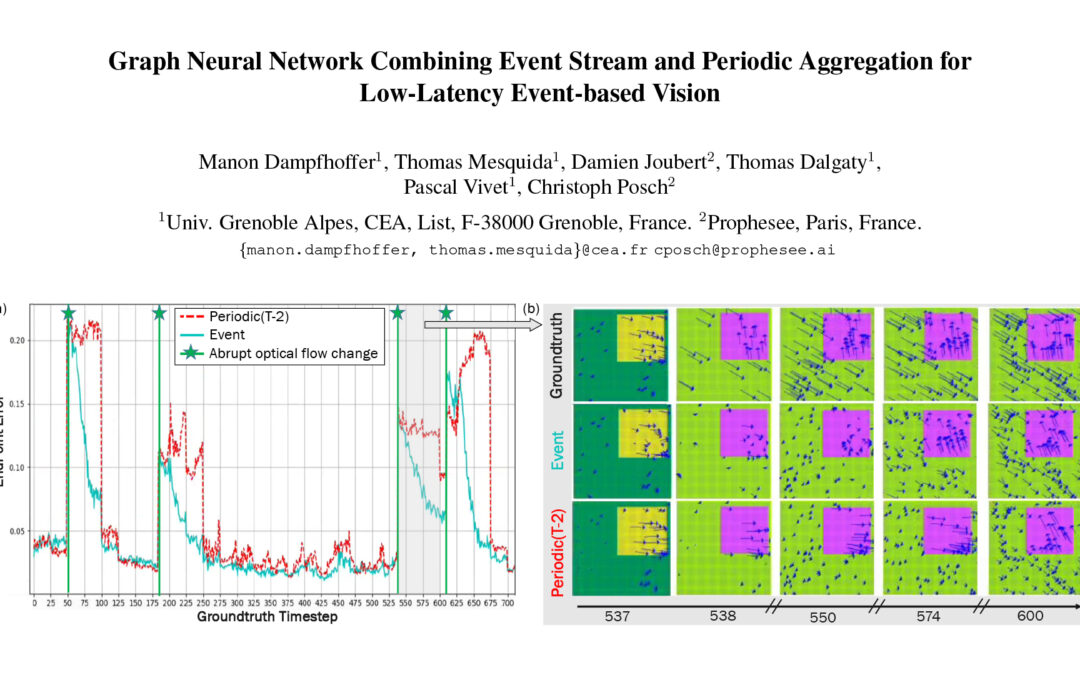
This paper proposes a novel architecture combining an asynchronous accumulation-free event branch and a periodic aggregation branch to break the accuracy-latency trade-off. The solution enables ultra low-latency and low-power optical flow prediction from event cameras, achieving per-event prediction with a latency of tens of microseconds.